Regenerative Medicine & Advanced Therapies
An academic and scientific space that brings together university education, research, knowledge transfer and hands-on immersion in stem cells, cell therapies, tissue engineering, regenerative medicine and advanced therapies.
View 10 Specialist programmes
From scientific knowledge to responsible application
The Chair was created to train professionals able to understand, assess and rigorously apply advances in regenerative medicine and advanced therapies, distinguishing established evidence from emerging technologies and from interventions that are still experimental.
Education
Modular, progressive university programmes focused on professional and scientific practice.
Research
Critical appraisal, scientific methodology, translational projects and links with emerging lines of research.
Practice
On-site immersion and applied training in specialised settings, according to the requirements of each programme.
Transfer
A bridge between university, research institute, healthcare professionals and the biotech ecosystem.
Research, laboratory and clinical translation
The Chair's activity takes place in real scientific settings — laboratory, microscopy, sample handling and academic discussion — with research as the basis of any therapeutic application.
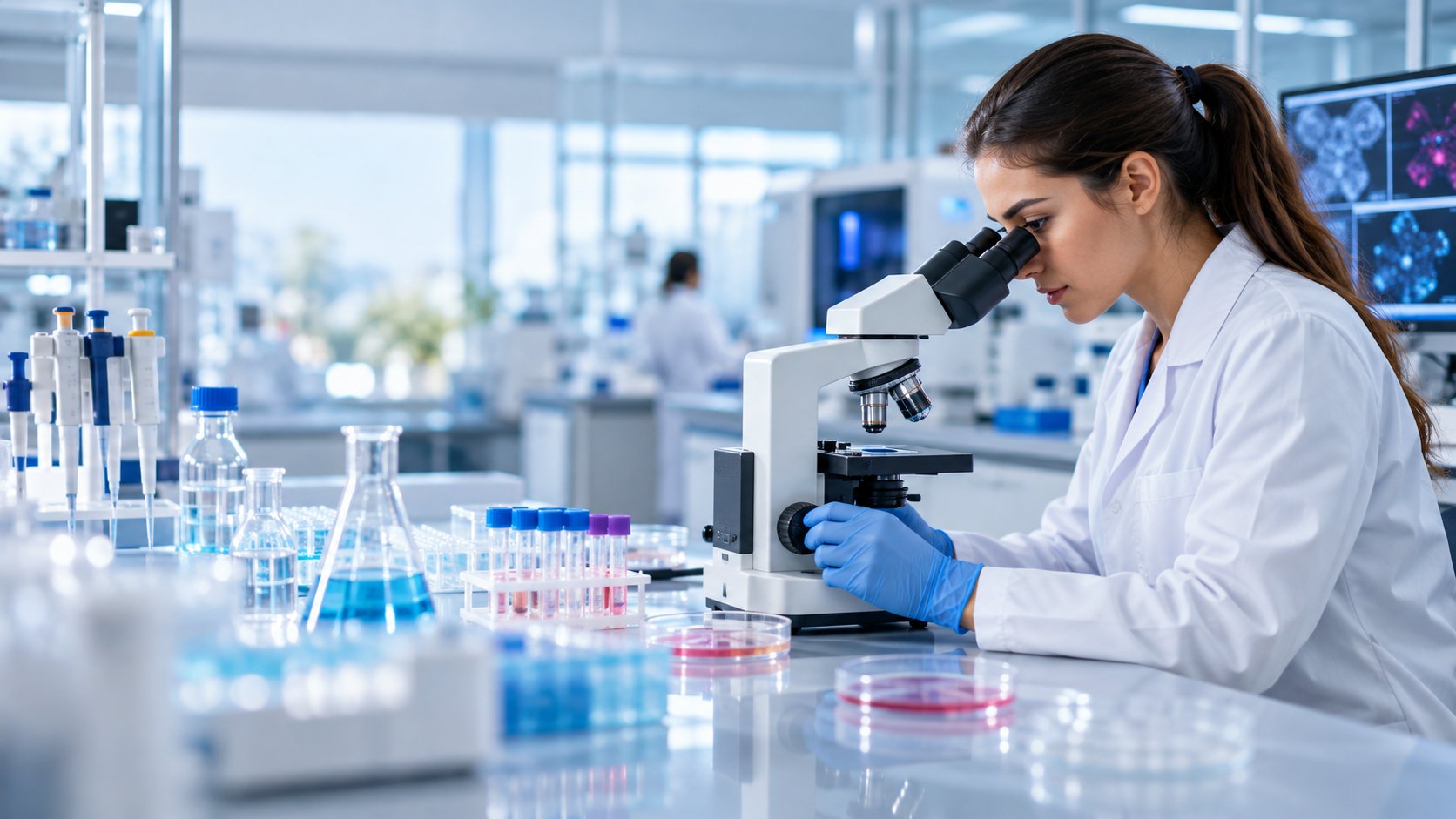
From observation to data
Microscopy, experimental methodology, traceability and critical analysis.
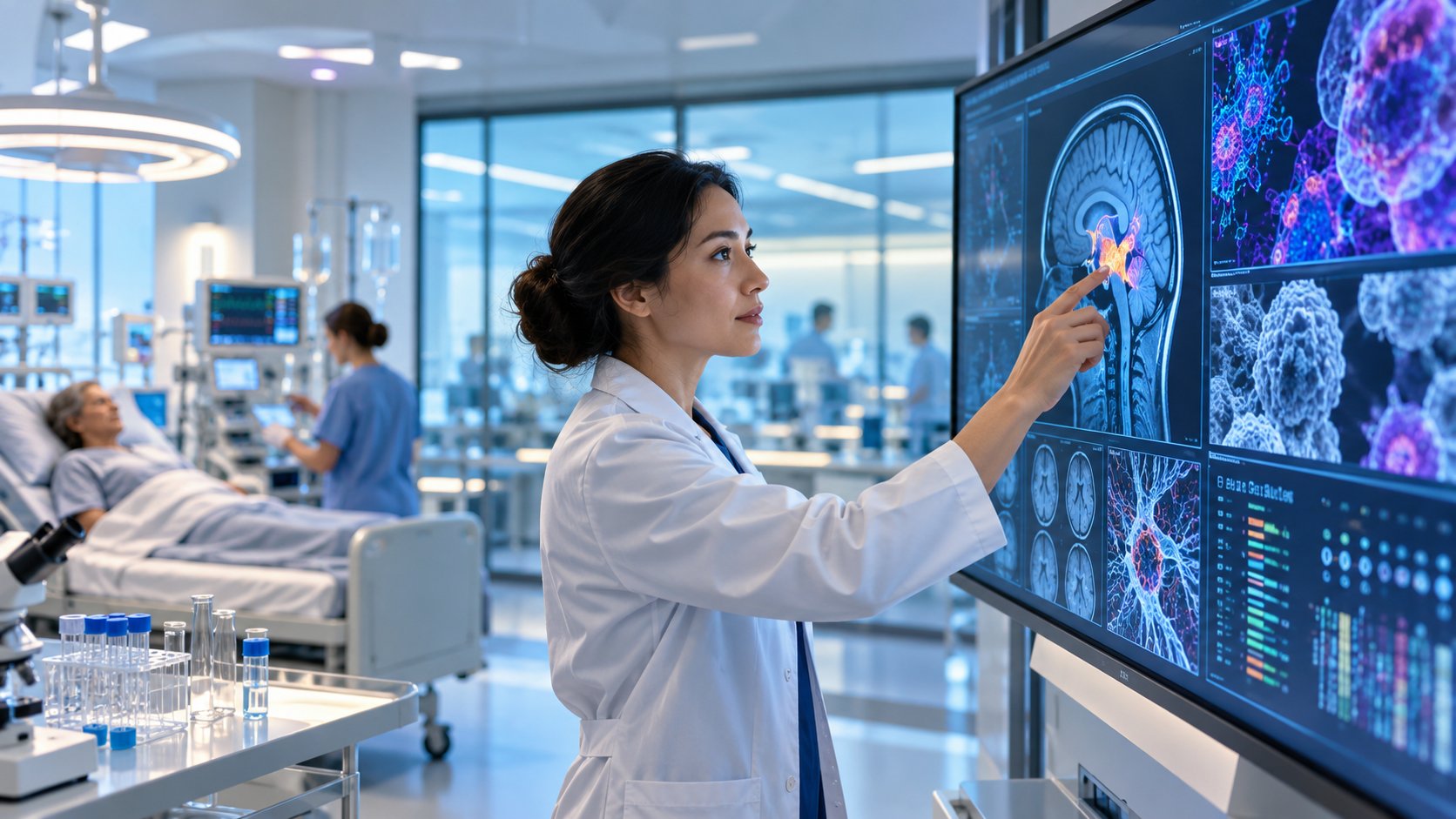
Samples, quality and evidence
Training connected to cell biology, genomics and translational medicine.
Six areas of specialisation
A multidisciplinary structure spanning regenerative biology, advanced therapies, engineering, clinical application and rigorous regulatory evaluation.
Stem cells and regenerative biology
Cell types, niche, signalling, differentiation, iPSC, senescence, intercellular communication and the fundamentals of tissue regeneration.
Cell therapies
Autologous and allogeneic therapies, cell products, quality, traceability, biosafety, manufacturing and regulatory frameworks.
Tissue engineering and biomaterials
Scaffolds, matrices, biomaterials, organoids, 3D models, bioprinting and structural regeneration strategies.
Clinical regenerative medicine
Applications and evidence in the musculoskeletal system, skin, wound healing, dentistry, regenerative aesthetics and other clinical areas.
Advanced therapies
ATMP, gene therapy, gene editing, advanced cell technologies and the transition from laboratory to clinical trial.
Regulation and evidence-based medicine
GMP, clinical trials, pharmacovigilance, bioethics, critical appraisal and the distinction between authorised use, research and experimental practice.
10 University Specialist programmes · 30 ECTS each
Modular programmes designed to fit together and open up higher academic pathways. Each Specialist programme keeps its own identity while sharing a cross-cutting core in evidence, regulation, bioethics, safety and scientific methodology.
EIU common core: evidence, bioethics, regulation and scientific methodology.
Content specific to the area of specialisation.
Placements, cases, laboratory work or applied immersion depending on programme.
Final project / integrative report.
Academic model: each Specialist programme totals 30 ECTS. The exact split between theory, placements and project may vary with the nature of the programme and is set out in its call for applications.
 Specialist 01
Regenerative Medicine and Cell Therapies
Clinical and translational training in regenerative biology, cell products, safety and applications of regenerative medicine.
Physicians, dentists, pharmacists, biologists, biotechnologists and related profiles, subject to academic admission.
6 ECTS of placements / scientific immersion, where applicable, at IISCRM or partner centres.
Indicative curriculum
- Fundamentals of regenerative biology and tissue repair
- Adult stem cells, progenitors and cell products
- Cell therapies and the regenerative microenvironment
- Secretome, paracrine factors and signalling
- Clinical applications and translational medicine
- Safety, quality, traceability and pharmacovigilance
- Regulation of cell therapies and ATMP
- Cases, seminars and final project
Academic progression
Master in Regenerative Medicine & Advanced Therapies · Master in Stem Cells & Advanced Regenerative Medicine
 Specialist 02
Stem Cells and Regenerative Medicine
In-depth study of stem cell biology, cell sources, culture, characterisation, differentiation and clinical translation.
Physicians, biologists, biotechnologists, pharmacists and researchers.
6 ECTS of laboratory work / scientific immersion at IISCRM or a partner setting.
Indicative curriculum
- Stem cell biology and the cell niche
- HSC, MSC and other progenitor cells
- iPSC, reprogramming and differentiation
- Cell culture and quality control
- Senescence, plasticity and signalling
- Experimental and clinical applications
- Bioethics, regulation and therapeutic limits
- Final project
Academic progression
Master in Stem Cells & Advanced Regenerative Medicine · Master in Regenerative Medicine, Stem Cells & Tissue Engineering
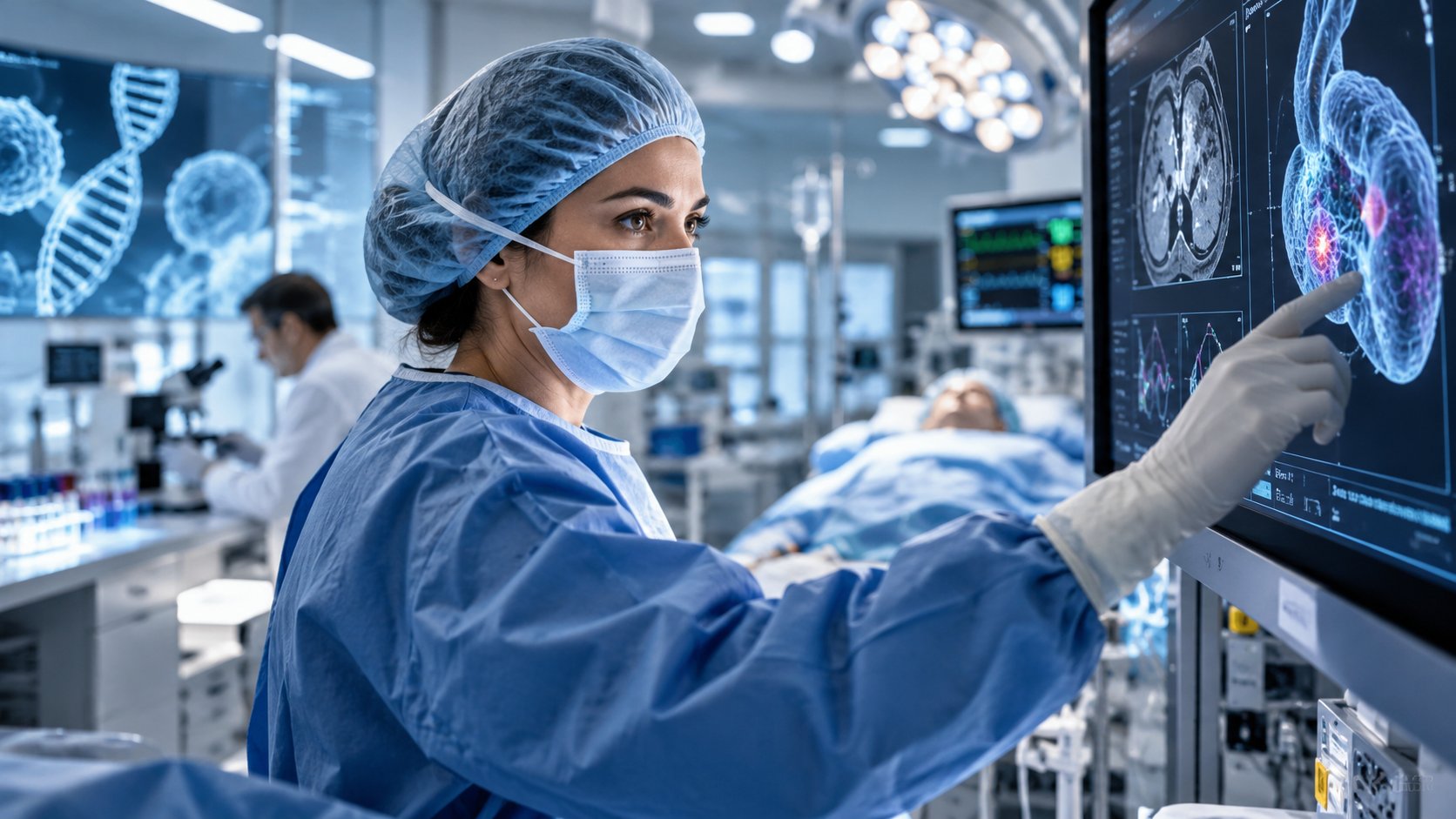 Specialist 03
Advanced Therapies and Regenerative Engineering
Development of advanced therapies from laboratory to clinic, integrating ATMP, gene therapy, organoids, GMP and clinical trials.
Physicians, biologists, pharmacists, biotechnologists, biomedical engineers and researchers.
6 ECTS of technical / translational placements depending on profile.
Indicative curriculum
- ATMP and advanced therapy products
- Gene therapy and gene editing
- iPSC, organoids and 3D models
- Tissue engineering and regenerative systems
- GMP and advanced manufacturing
- Preclinical development and clinical trials
- EMA/FDA regulation and transfer
- Final project
Academic progression
Master in Regenerative Medicine & Advanced Therapies · Master in Regenerative Medicine, Stem Cells & Tissue Engineering
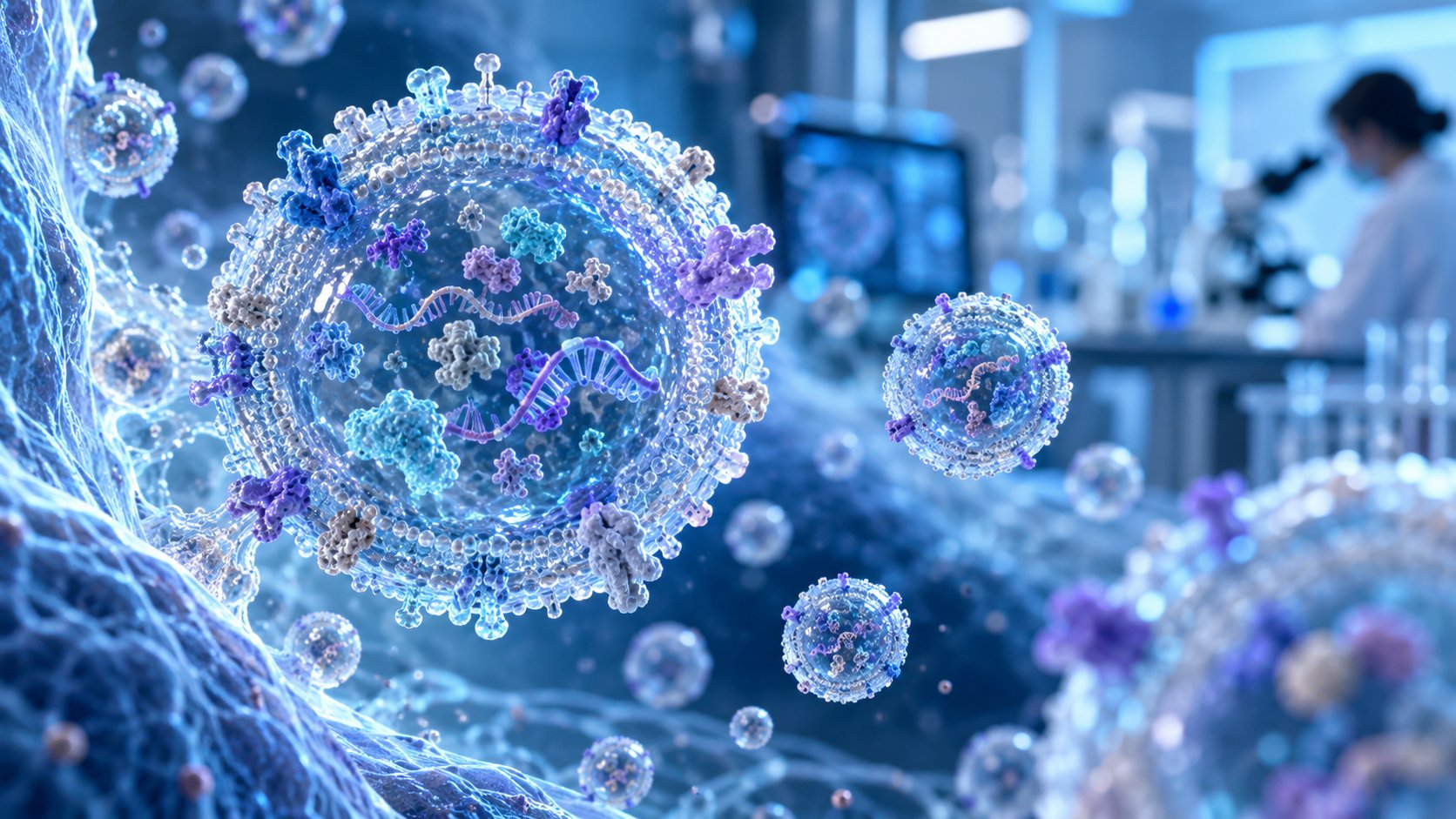 Specialist 04
Exosomes, Extracellular Vesicles and Regenerative Signalling
Rigorous study of exosomes, extracellular vesicles, the secretome and intercellular communication, with special attention to evidence and regulation.
Healthcare professionals, biologists, biotechnologists, pharmacists and researchers.
4–6 ECTS of laboratory work / experimental methodology depending on pathway.
Indicative curriculum
- Biology of extracellular vesicles
- Exosomes, microvesicles and secretome
- Molecular cargo, miRNA and signalling
- Isolation and characterisation methods
- Biomarkers and diagnostic applications
- Emerging regenerative applications
- Clinical evidence, safety and regulation
- Final project
Academic progression
Master in Regenerative Medicine & Advanced Therapies · Master in Precision & Regenerative Medicine
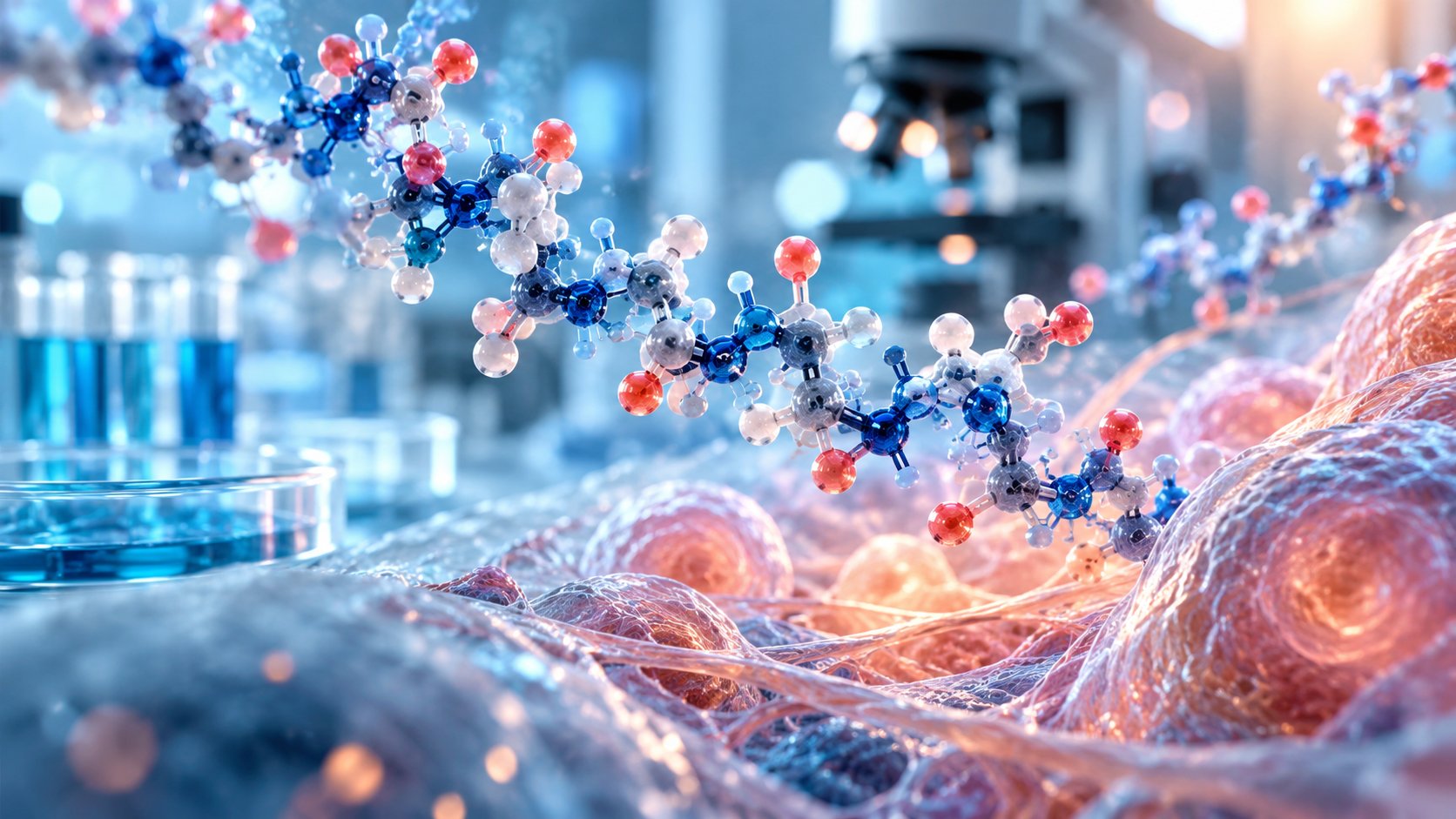 Specialist 05
Bioactive Peptides, Growth Factors and Bioregulation
Training in molecular signalling, bioactive peptides, growth factors, pharmacology and their role in regenerative processes.
Healthcare professionals, pharmacists, biologists, biotechnologists and researchers.
Applied seminars and project; laboratory placements subject to availability.
Indicative curriculum
- Peptide biology and classification
- Receptors and cell signalling
- Growth factors and cytokines
- Endogenous and synthetic peptides
- Pharmacokinetics and pharmacodynamics
- Tissue regeneration and ageing
- Safety, interactions and evidence
- Final project
Academic progression
Master in Precision & Regenerative Medicine · Master in Longevity & Regenerative Medicine
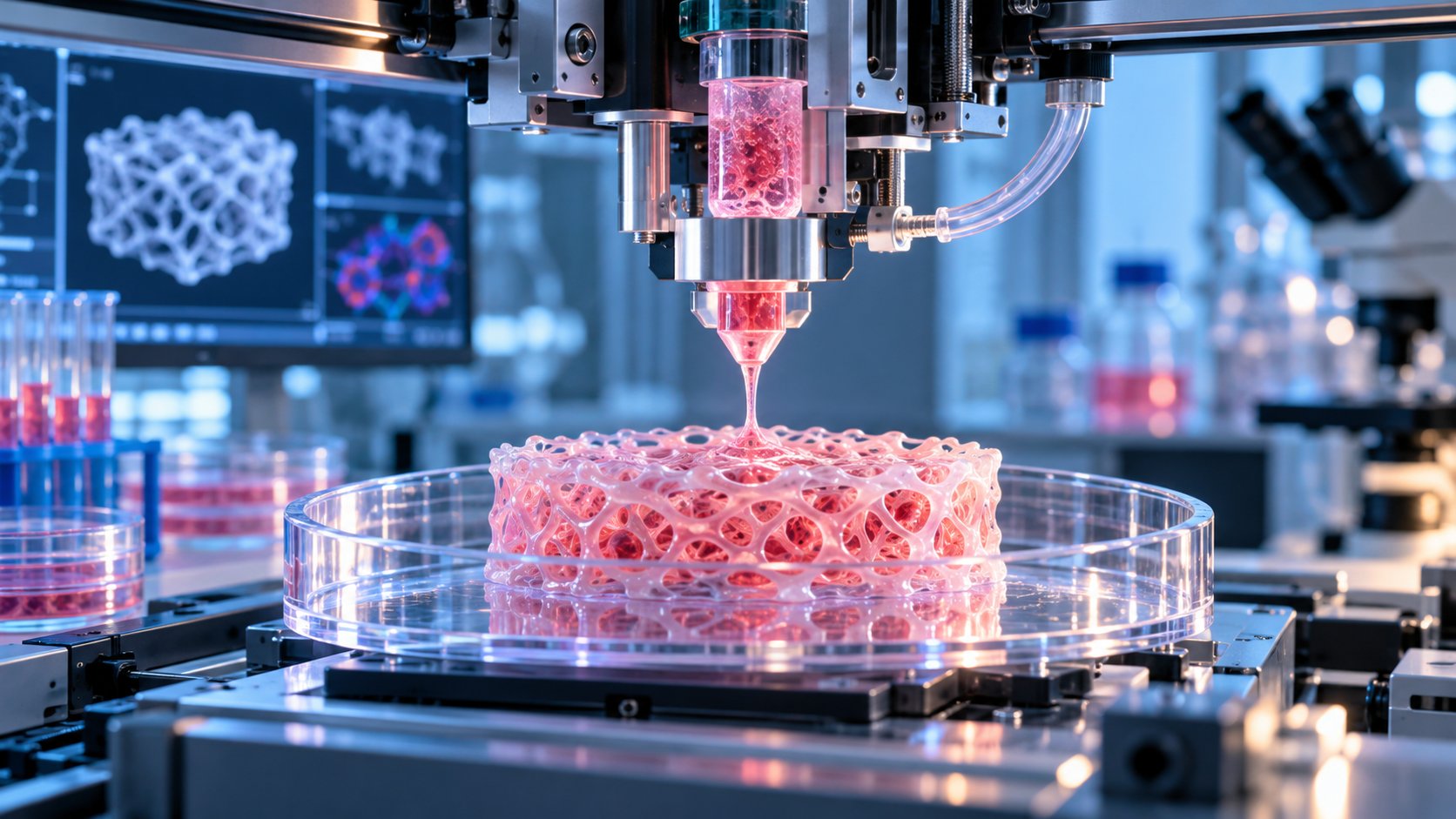 Specialist 06
Tissue Engineering, Biomaterials and Bioprinting
Integrating cells, matrices, biomaterials and manufacturing technologies to design regenerative solutions.
Biologists, biotechnologists, biomedical engineers, pharmacists, physicians and researchers.
6 ECTS of laboratory work / applied technology where applicable.
Indicative curriculum
- Fundamentals of tissue engineering
- Extracellular matrix and scaffolds
- Hydrogels and biomaterials
- Biocompatibility and tissue mechanics
- Organoids and bioreactors
- 3D bioprinting
- Bone, cartilage and soft tissue regeneration
- Final project
Academic progression
Master in Regenerative Medicine, Stem Cells & Tissue Engineering · Master in Regenerative Medicine & Advanced Therapies
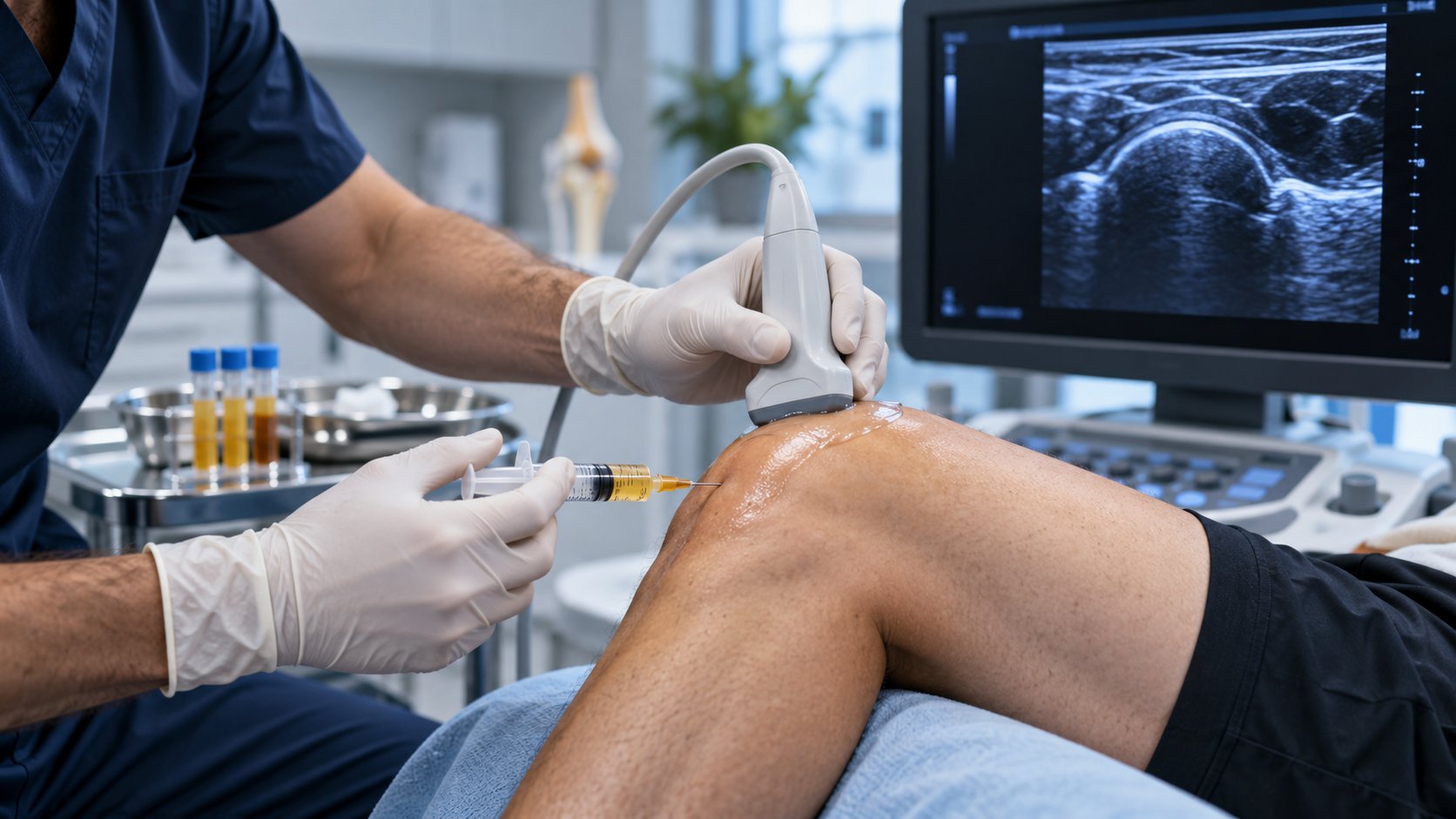 Specialist 07
Autologous Therapies and Interventional Regenerative Medicine
Critical, applied training in autologous products, harvesting techniques, processing, traceability and clinical applications.
Mainly physicians and dentists; other profiles depending on scope of practice and admission.
6 ECTS of technical / observational practice in authorised settings.
Indicative curriculum
- PRP, PRF and platelet concentrates
- Bone marrow aspirate and adipose tissue
- Processing and traceability
- Ultrasound and interventional procedures
- Musculoskeletal applications
- Dental, skin and regenerative applications
- Complications, safety and limits
- Final project
Academic progression
Master in Regenerative Medicine & Advanced Therapies · Master in Regenerative Aesthetic Medicine & Advanced Therapies
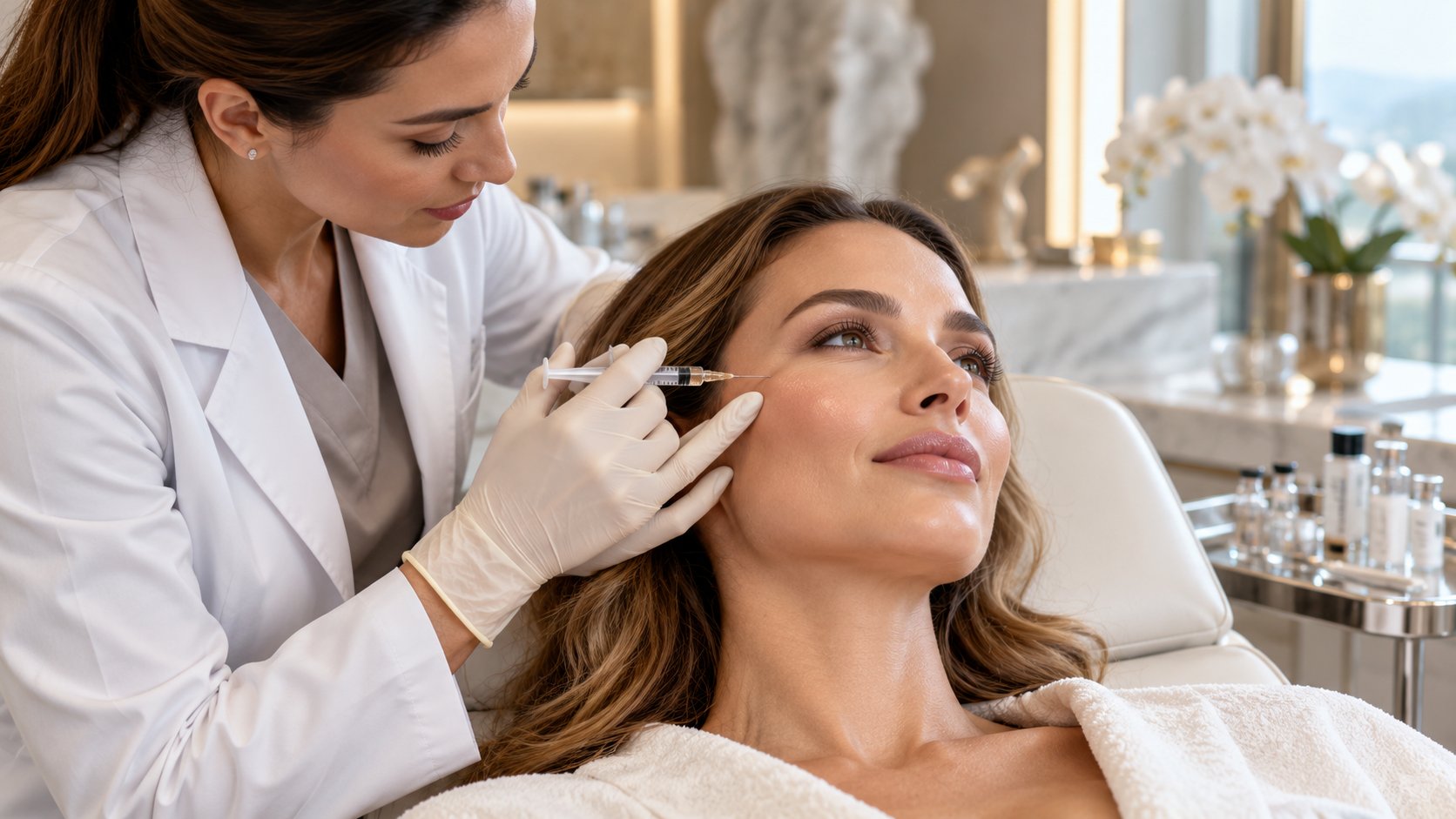 Specialist 08
Regenerative Aesthetic Medicine and Biostimulation
Applying regenerative principles to skin, hair and skin ageing with an evidence- and safety-based approach.
Preferably physicians and other healthcare professionals, according to the regulations and scope of practice in each jurisdiction.
6 ECTS of observation / supervised practice in line with regulations.
Indicative curriculum
- Biology of skin ageing
- Fibroblasts, collagen and extracellular matrix
- PRP, PRF and biostimulation
- Polynucleotides and bioregeneration
- Microneedling, laser and combined approaches
- Hair regeneration and scars
- Complications, ethics and safety
- Final project
Academic progression
Master in Regenerative Aesthetic Medicine & Advanced Therapies · Master in Longevity & Regenerative Medicine
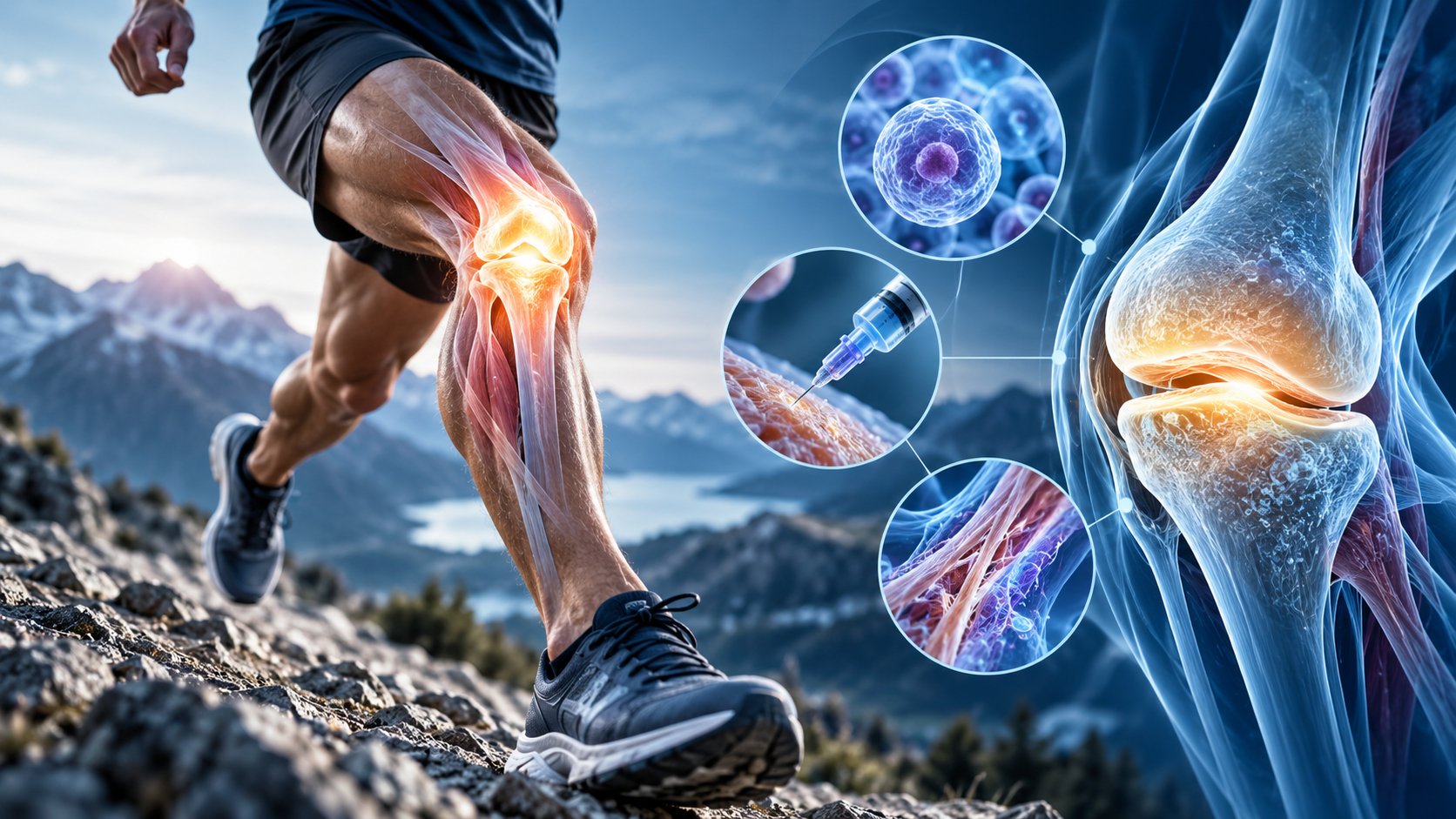 Specialist 09
Musculoskeletal Regenerative Medicine and Orthobiologics
Applying orthobiologics and regenerative medicine to muscle, tendon, cartilage, joints and sports injuries.
Physicians, musculoskeletal specialists and other healthcare profiles according to scope of practice.
6 ECTS of clinical / observational practice at partner centres.
Indicative curriculum
- Biology of tendon, muscle and cartilage
- Osteoarthritis and joint degeneration
- Orthobiologics and autologous products
- PRP and other biological therapies
- Musculoskeletal ultrasound
- Interventional procedures and rehabilitation
- Clinical outcomes and evidence
- Final project
Academic progression
Master in Regenerative Medicine & Advanced Therapies · Future Master in Orthobiologics & Musculoskeletal Regenerative Medicine
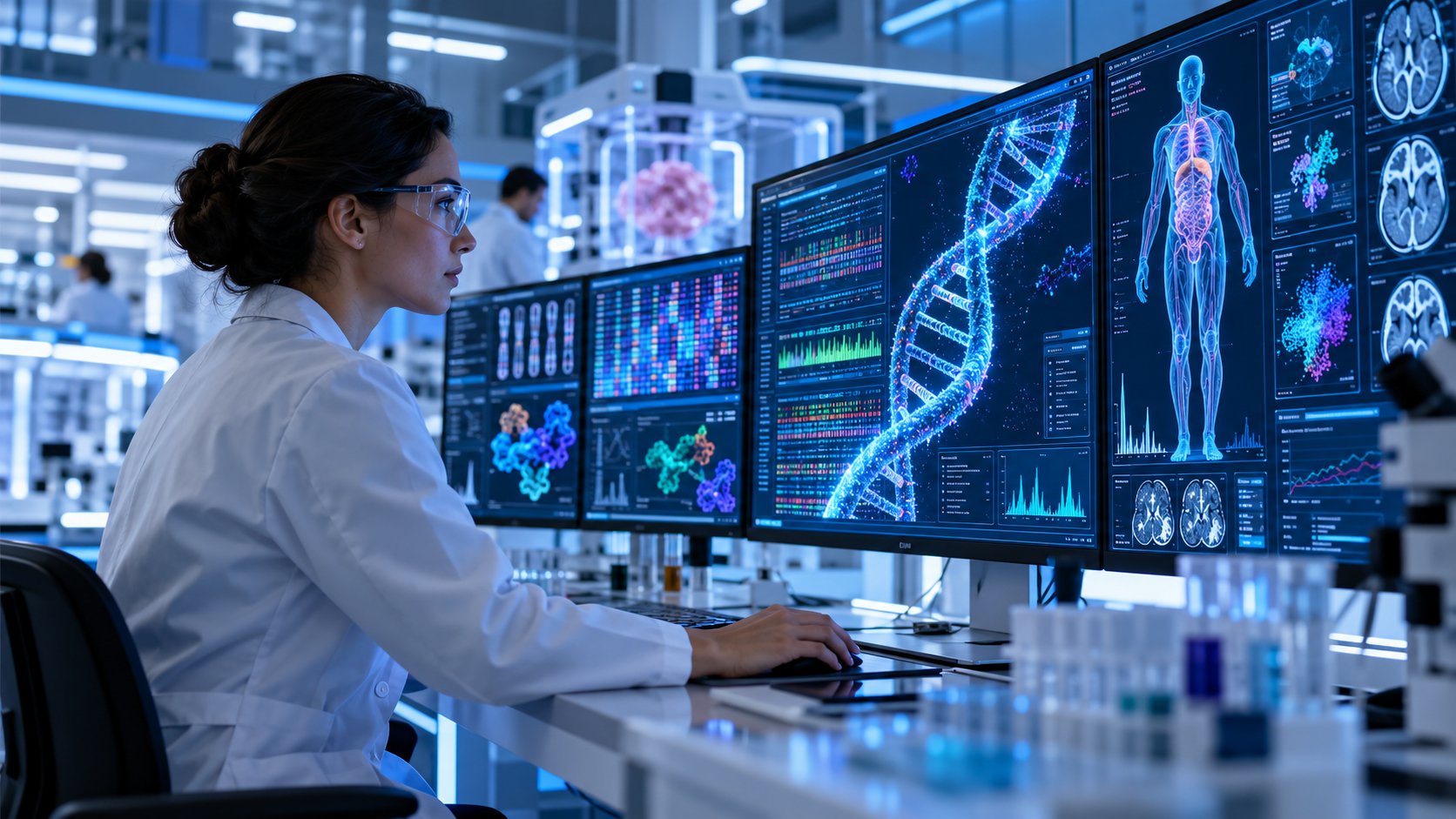 Specialist 10
Genomics, Epigenetics and Precision Regenerative Medicine
Integrating genomic and multi-omic data for stratification, personalisation and the development of regenerative strategies.
Physicians, biologists, pharmacists, biotechnologists, bioinformaticians and researchers.
Data analysis seminars and applied project; placements depending on pathway.
Indicative curriculum
- Clinical genetics and NGS
- Epigenetics and methylation
- Transcriptomics, proteomics and metabolomics
- Pharmacogenomics
- Biomarkers and polygenic risk
- Bioinformatics and multi-omic integration
- Personalised medicine and regenerative precision
- Final project
Academic progression
Master in Precision & Regenerative Medicine · Master in Longevity & Regenerative Medicine
Two compatible Specialist programmes can build a pathway to a Master's
The model is designed to be stackable: 30 ECTS + 30 ECTS can form the academic basis of a Master's, provided there is curricular compatibility and formal approval by EIU. Entry may require academic integration, additional assessment and a Master's Final Project.
| Master | Specialist A | Specialist B | Final requirement |
|---|---|---|---|
| Master in Regenerative Medicine & Advanced Therapies | Regenerative Medicine and Cell Therapies | Advanced Therapies and Regenerative Engineering | Integration + Final Project |
| Master in Stem Cells & Advanced Regenerative Medicine | Stem Cells and Regenerative Medicine | Regenerative Medicine and Cell Therapies | Translational seminar + Final Project |
| Master in Regenerative Medicine, Stem Cells & Tissue Engineering | Stem Cells and Regenerative Medicine | Tissue Engineering, Biomaterials and Bioprinting | Advanced integration + Final Project |
| Master in Precision & Regenerative Medicine | Genomics, Epigenetics and Precision Regenerative Medicine | Regenerative Medicine and Cell Therapies | Integrative project + Final Project |
| Master in Longevity & Regenerative Medicine | Bioactive Peptides, Growth Factors and Bioregulation | Genomics, Epigenetics and Precision Regenerative Medicine | Longevity block + Final Project |
| Master in Regenerative Aesthetic Medicine & Advanced Therapies | Regenerative Aesthetic Medicine and Biostimulation | Autologous Therapies and Interventional Regenerative Medicine | Clinical integration + Final Project |
| Master in Extracellular Vesicles & Regenerative Signaling | Exosomes, Extracellular Vesicles and Regenerative Signalling | Genomics, Epigenetics and Precision Regenerative Medicine | Research project + Final Project |
Important: there is no automatic “two Specialist programmes = Master's” equivalence. Credits, recognitions, overlaps, entry requirements and the Final Project are defined for each pathway and set out in its call for applications.
Practical training and scientific immersion
Programmes with a practical component may include stays, observation, laboratory work, seminars or scientific immersion at IISCRM and/or partner centres, always within the applicable regulatory framework and scope of practice.
Preparation
Virtual campus, fundamentals, protocols, safety and evidence criteria.
Immersion
On-site sessions, observation of procedures, laboratory methodology and discussion of cases or projects.
Application
Problem solving, protocol design, analysis of results and scientific evaluation.
Integration
Final project, academic presentation and transfer of learning to a professional or research context.
A Chair that does more than teach courses
The Chair combines postgraduate education with scientific discussion, projects, international collaboration and transfer of knowledge.
Scientific seminars and journal clubs
Review of recent literature and critical discussion of results.
Research projects
Promotion of academic, translational and collaborative projects.
Consensus and scientific documents
Development of recommendations and position papers where there is a sufficient methodological basis.
International collaboration
Links with universities, institutes, clinical centres and biotech companies.
Rigour, safety and evidence
Innovation is meaningful only when it is accompanied by methodological rigour, patient safety, ethics and transparent communication of the strength of evidence.
Separating science from promise
The Chair must clearly identify which interventions have sufficient clinical evidence, which are under evaluation and which remain experimental.
Responsible training
Innovation does not replace regulation, bioethics, informed consent, traceability or clinical judgement.
International outlook
The programme may compare regulatory frameworks and scientific practices across jurisdictions without presenting a local authorisation as universal.
Clinical translation
Scientific knowledge is connected to professional decision-making without overstating evidence or scope of practice.
Leadership and scientific committee
The Chair is organised into four academic governing bodies. Their membership will be announced as appointments are formalised.
Chair Leadership
Academic responsibility, scientific strategy and oversight of the programmes.
IISCRM Scientific Direction
Coordination of practical activity, research and scientific immersion linked to the institute.
International Scientific Committee
Experts in stem cells, regenerative medicine, tissue engineering, ATMP, regulation and scientific methodology.
Academic coordination
Teaching management, assessment, student follow-up and coordination between EIU and IISCRM.
Training for health sciences and biomedical professionals
Specific requirements are defined programme by programme. Depending on the content, participants may include physicians, dentists, pharmacists, biologists, biotechnologists, researchers and other healthcare or biomedical professionals with appropriate qualifications.
Clinical professionals
Scientific updating, appraisal of evidence and understanding of regenerative applications within their scope of practice.
Researchers
In-depth study of regenerative biology, experimental models, cell products, tissue engineering and clinical translation.
Industry and biotechnology
Understanding development, manufacturing, quality, regulation, trials and technology transfer.
Be part of the new generation of regenerative medicine
Explore the academic programmes, admission requirements, practical training calendar and upcoming activities of the International Chair in Regenerative Medicine and Advanced Therapies.
Request information